
Spokane Valley, WA – November 11, 2026 – PRESSADVANTAGE –
Washington Auto Collision is publishing consumer guidance explaining what electric and hybrid vehicle owners should understand about collision damage, high-voltage safety considerations, and manufacturer-specific repair requirements. The November publication outlines five areas that may influence repair planning: initial damage assessment, high-voltage system precautions, structural repairs, electronic system evaluation, and post-repair verification.
Electric and hybrid vehicles share many collision repair requirements with conventional gasoline-powered vehicles. However, their high-voltage batteries, electrical components, wiring systems, and vehicle-specific construction can introduce additional considerations following an accident.
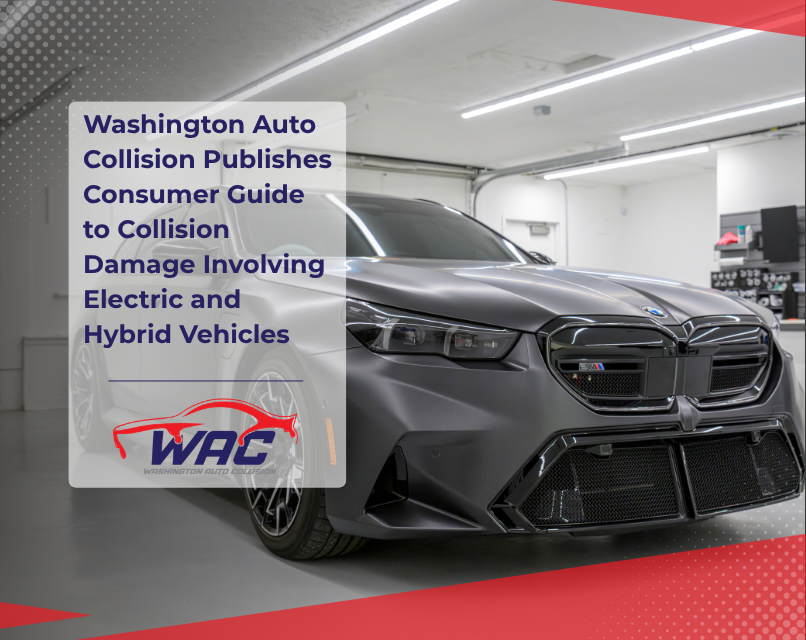
Washington Auto Collision provides collision repair services for drivers in Spokane Valley and surrounding communities. The new guidance explains why collision damage involving electrified vehicles should be evaluated according to the vehicle manufacturer’s procedures rather than assuming that conventional repair methods apply to every component.
The first consideration involves the initial damage assessment. After a collision, visible damage to bumpers, doors, fenders, or other exterior panels may provide only part of the information needed to develop a repair plan.
Depending on the vehicle’s design and the location of the impact, technicians may need to evaluate adjoining structures, battery protection components, underbody areas, and electrical equipment. Damage near these areas does not automatically establish that a high-voltage component has been affected, but it may require additional inspection.
The November guidance emphasizes that vehicle owners should not attempt to inspect, disconnect, or handle damaged high-voltage components themselves. If a vehicle exhibits smoke, unusual heat, fluid leakage, exposed electrical components, or other signs of a potentially hazardous condition, occupants should move to a safe distance and contact emergency services.
The second consideration involves high-voltage system precautions. Electric and hybrid vehicles may contain high-voltage batteries, cables, inverters, and related components that require specialized safety procedures.
Before certain repairs can begin, manufacturer instructions may require technicians with appropriate qualifications to follow specified isolation, verification, or other safety procedures. These requirements vary by vehicle and the work being performed.
A vehicle that appears to be powered off should not automatically be assumed to have a de-energized high-voltage system. Proper safety procedures must be established through the applicable manufacturer information.
The third consideration involves structural damage and repair methods. Some electric vehicles incorporate battery enclosures or protective structures into areas near the vehicle floor or underbody. Other designs position high-voltage components differently.
Through its auto body repair services, Washington Auto Collision addresses damaged body panels and related vehicle components. The guidance explains why repair planning for electric and hybrid vehicles must account for the location of sensitive components and the manufacturer’s approved procedures.
Operations involving welding, heating, cutting, structural pulling, or panel replacement may require additional precautions when performed near high-voltage components. Repair methods should reflect the vehicle’s construction and applicable restrictions.
The fourth consideration involves electronic systems and diagnostic evaluation. Electric and hybrid vehicles rely on interconnected electronic control modules to manage propulsion, battery monitoring, charging, braking, and other vehicle functions.
A collision may produce diagnostic trouble codes or system conditions that require further investigation. Appropriate diagnostic procedures can help technicians identify concerns that are not immediately apparent during a visual inspection.
The publication also distinguishes high-voltage system evaluation from Advanced Driver Assistance Systems calibration. These are separate technical considerations, although a collision may create circumstances in which both require attention.
Washington Auto Collision provides information about camera and sensor-related repair requirements through its ADAS calibration services. Depending on the vehicle and repair operations, manufacturer procedures may specify scanning, calibration, or other verification steps.
The fifth consideration involves post-repair inspection and documentation. Repair completion may require confirming that affected components have been addressed, relevant diagnostic procedures have been performed, and applicable manufacturer requirements have been satisfied.
For electric and hybrid vehicles, the specific verification process depends on the damage and repairs completed. Not every collision requires high-voltage battery replacement, and not every damaged exterior panel indicates an electrical system problem.
The November guidance encourages vehicle owners to ask how the repair facility will identify applicable manufacturer procedures, whether the collision affected areas near high-voltage components, and what inspections or verification steps are required before the vehicle is returned.
The publication also notes that insurance estimates and repair timelines may need to account for vehicle-specific inspections, component availability, and specialized procedures when relevant. These requirements should be determined through the actual damage assessment rather than assumptions about electric vehicles as a category.
For Spokane Valley drivers, the central takeaway is that electric and hybrid collision repairs require attention to both conventional body damage and the additional systems installed in the vehicle. Appropriate evaluation, qualified personnel, manufacturer repair information, and documented verification can help establish the correct repair approach.
Washington Auto Collision provides collision repair, auto body repair, and ADAS-related services at 16811 E Sprague Ave, Spokane Valley, WA 99037, serving drivers throughout Spokane Valley, Liberty Lake, Post Falls, and surrounding communities.
###
For more information about Washington Auto Collision, contact the company here:
Washington Auto Collision
Gary Tolerico
(509) 927-0048
info@waciwa.com
16811 E Sprague Ave, Spokane Valley, WA 99037


