
Key Takeaways
- Prioritize air sealing and insulation. Addressing drafts and improving insulation can reduce heat loss and maintain comfortable indoor temperatures during Oshawa’s cold winters.
- Upgrade kitchen and bathroom fixtures. Water-efficient faucets, showerheads, toilets, and LED lighting can help lower household water and energy consumption.
- Replace windows and doors when necessary. Energy-efficient products can reduce drafts and improve comfort, although repairing existing seals may be sufficient in some homes.
- Establish a realistic renovation budget. Project costs depend on materials, labour, and the condition of existing components, making detailed contractor estimates essential.
- Review building requirements and available incentives. Ontario regulations and financial assistance programs may influence renovation decisions and overall costs.
Introduction
Oshawa homeowners face a recurring challenge each winter: maintaining a comfortable indoor temperature without allowing heating costs to rise unnecessarily. Inadequate insulation, drafty windows and doors, and inefficient kitchen and bathroom fixtures can contribute to energy waste, higher utility bills, and reduced comfort.
Interior renovations provide opportunities to improve energy efficiency, conserve water, and address problems that affect everyday living. The most suitable improvements depend on the home’s age, existing construction, and the condition of its fixtures and finishes. Careful planning helps homeowners prioritize upgrades that address underlying inefficiencies while avoiding unnecessary replacement costs.
The following guide examines five interior renovation opportunities, including estimated costs and practical advice for Oshawa homeowners.
1. Upgrade Windows to Reduce Heat Loss
Older windows with single-pane glass, deteriorated seals, or poorly insulated frames can allow considerable heat to escape during winter. Even double-pane windows may perform poorly when gaps around the frames permit cold air to enter, leaving rooms uncomfortable despite adequate heating.
Modern energy-efficient windows typically feature insulated glazing, low-emissivity coatings, and frames designed to limit heat transfer. Triple-pane models can be particularly useful in colder parts of Oshawa, although their additional cost should be weighed against the expected improvement in comfort and efficiency.
Estimated cost: Budget approximately $500 to $1,500 per standard window installed. Replacing 10 to 15 windows may cost $8,000 to $20,000 or more, depending on glazing, frame materials, and installation complexity.
Before committing to full replacement, inspect existing windows for damaged seals and deteriorated components. Weatherstripping, caulking, or replacing failed sealed glass units may restore performance at a fraction of the cost. Complete replacement is generally more compelling when frames are damaged, windows no longer close properly, or existing glazing provides inadequate insulation.
2. Replace Inefficient Kitchen and Bathroom Fixtures
Kitchens and bathrooms are practical starting points for improving household efficiency because their fixtures are used frequently throughout the day. Older faucets, showerheads, toilets, and lighting systems may consume more water or electricity than necessary, while inadequate ventilation can contribute to moisture problems.
In bathrooms, installing low-flow showerheads and water-efficient faucets can reduce hot-water consumption without necessarily compromising performance. Replacing an older toilet with a high-efficiency model can further reduce water use. In kitchens, efficient faucets, LED lighting, and energy-efficient appliances can help lower ongoing utility costs.
Estimated cost: A new showerhead typically costs $30 to $150, while replacing a bathroom faucet may cost $150 to $500 installed. A high-efficiency toilet generally costs $250 to $700 installed, and kitchen faucet upgrades may range from $200 to $600, depending on the product and plumbing requirements.
Before purchasing new fixtures, inspect existing plumbing connections, shut-off valves, and drainage. Straightforward replacements are usually less expensive when the underlying plumbing remains in good condition. Comparing product specifications can also help homeowners identify fixtures that offer measurable water or energy savings.
3. Replace Doors and Eliminate Drafts
Poorly sealed exterior doors can allow cold air to enter through worn weatherstripping, gaps around frames, or improperly fitted thresholds. These problems often make entryways uncomfortable and increase heating demand during Oshawa’s colder months.
Modern insulated steel and fibreglass doors generally provide better thermal performance than older, poorly sealed units. Although replacing damaged interior doors can improve functionality and refresh a room’s appearance, exterior doors offer greater potential for reducing heat loss.
Estimated cost: A standard exterior door replacement typically costs $1,500 to $3,500 installed in Oshawa. Premium products or extensive frame repairs can increase the total to $4,000 or more. Replacing worn weatherstripping or adjusting a door may cost approximately $50 to $300.
Homeowners should inspect door seals and thresholds before deciding on a full replacement. If the door closes securely and the frame remains in good condition, repairing damaged seals or adjusting the hinges may resolve drafts at a considerably lower cost.
4. Improve Insulation and Air Sealing
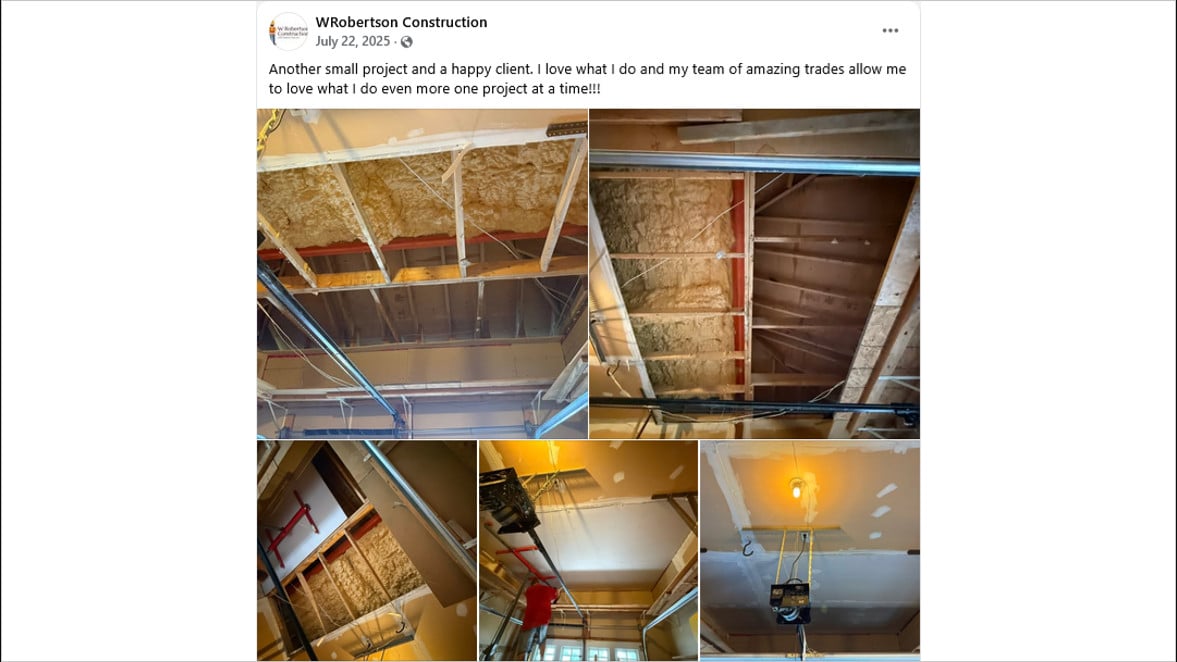
Insulation is an important investment for homes that lose heat rapidly during winter. It slows heat transfer through walls, ceilings, and floors, while air sealing prevents warm indoor air from escaping through gaps in the building envelope. Addressing both issues can improve comfort and reduce heating demand.
Attics are often a practical starting point because inadequate insulation can allow substantial heat loss through the roof. Basement walls and rim joists can also contribute to cold floors and uncomfortable lower-level rooms. Interior renovations provide an opportunity to address these deficiencies before new drywall and finishes are installed.
Estimated cost: Adding blown-in attic insulation typically costs $1,500 to $4,500 for an average home. Basement insulation may cost $1,500 to $5,000, depending on the area and insulation system. Targeted professional air sealing generally costs $200 to $1,000, although extensive work may be more expensive.
Before adding insulation, investigate roof leaks, dampness, and existing air leakage paths. Poorly designed wall assemblies can trap moisture, so insulation and vapour-control materials must be appropriate for Oshawa’s climate and the home’s existing construction.
A professional home energy assessment can help identify significant sources of heat loss and determine which improvements are likely to deliver meaningful savings.
5. Understand Oshawa (Ontario) Building Requirements and Available Incentives
Interior renovations should account for applicable building requirements before work begins. Ontario’s Building Code includes provisions for renovations to existing buildings, while Supplementary Standard SB-12 addresses energy efficiency in housing. Depending on the project, plumbing, electrical, ventilation, or structural changes may require permits or qualified trades.
Homeowners should also investigate financial assistance before signing renovation contracts. The federal Canada Greener Homes Grant is closed, and the Canada Greener Homes Loan is no longer accepting applications. Other incentives may be available through municipal or utility programs, depending on location and eligibility. Since funding arrangements and qualifying improvements can change, homeowners should confirm current requirements directly with program administrators.
How to Prioritize Your Renovation Budget
Not every home needs new fixtures, windows, doors, and insulation at the same time. A staged approach allows homeowners to direct their budgets towards improvements that address existing problems and provide practical benefits.
Consider the following priorities:
- Identify energy waste. Check for drafts, inadequate insulation, inefficient fixtures, and unusually high water or electricity consumption. A professional assessment can help establish which improvements deserve attention first.
- Seal accessible air leaks. Repair gaps around window and door frames before investing in more extensive upgrades, particularly when cold air infiltration affects indoor comfort.
- Upgrade inefficient fixtures. Prioritize frequently used kitchen and bathroom fixtures, including faucets, showerheads, toilets, and lighting, to reduce unnecessary water and energy consumption.
- Improve insulation where practical. Consider attic and basement insulation, especially when these areas are already being renovated and access is readily available.
- Coordinate related work. Combining window replacement, insulation, drywall repairs, and painting can reduce duplicated labour and minimize disruption.
When obtaining estimates, request itemized quotes from at least three qualified contractors. Confirm that each proposal includes labour, materials, finishing, disposal, applicable taxes, and anticipated repairs. Comparing product specifications and warranties alongside the total price can help homeowners make more informed decisions.
Conclusion
Interior renovations can make Oshawa winters more comfortable while reducing avoidable heating, water, and electricity consumption. Effective improvements often involve addressing air leakage, insulation deficiencies, and inefficient fixtures as part of a coordinated renovation plan.
For some homeowners, replacing outdated bathroom fixtures and upgrading lighting will provide a practical starting point. Others may benefit more from improved insulation or replacing poorly performing windows and doors.
By assessing the home’s condition, reviewing applicable building requirements, partnering with a reputable local contractor, and establishing a realistic budget, homeowners can make informed renovation decisions that improve comfort and support long-term energy efficiency.
W Robertson Construction
wrobertsonconstruction2024@gmail.com
+1 289 830 5135
240 Ormond Drive
Oshawa
Ontario
L1G 6T5
Canada


