Key Takeaways
- Roll-off containers cut waste handling costs on construction sites by simplifying debris management and removal
- These containers are available in multiple sizes (10-40 cubic yards) to fit different project needs and waste volumes
- Proper placement of roll-off containers on construction sites improves workflow efficiency and site safety
- Services like Zap Dumpsters Peoria help contractors meet waste management regulations
- Good waste sorting systems create opportunities for recycling revenue and environmental benefits
Roll-Off Containers Slash Construction Waste Handling Costs
Construction waste management directly affects your project budget. On large construction sites, debris quickly accumulates, creating safety hazards and workflow problems that waste resources. Roll-off containers provide a straightforward solution that simplifies waste handling while cutting costs. Zap Dumpsters Peoria source construction professionals with reliable waste management solutions that maintain project efficiency.
What Are Roll-Off Containers?
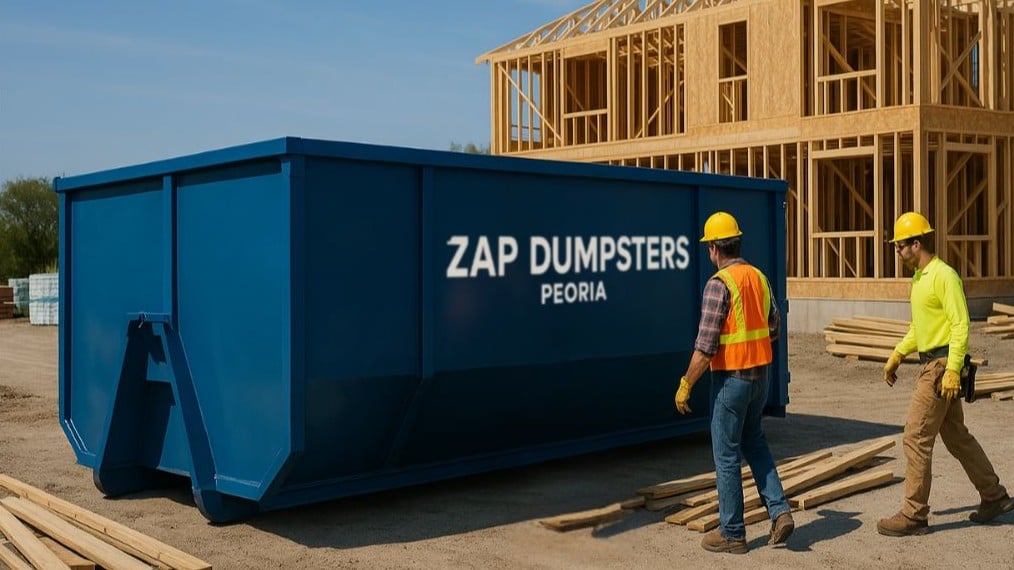
Roll-off containers are large, open-topped waste containers transported by specialized trucks. They get their name from the rolling motion used during placement or removal. Unlike standard dumpsters, roll-off containers have a rectangular shape with an open top and capacities ranging from 10 to 40 cubic yards.
Different Types and Sizes Available
Construction sites need different waste solutions, which is why roll-off containers come in several options:
- 10-yard containers: Perfect for smaller renovation projects or specific demolition work
- 20-yard containers: The most adaptable size, good for mid-sized construction projects
- 30-yard containers: Ideal for larger construction sites with significant debris generation
- 40-yard containers: Built for major construction projects with extensive waste volumes
Some specialty containers also feature open-top designs for bulky materials, closed-top options for weather protection, compactor attachments for high-volume waste, and divided compartments for different waste streams.
Key Features That Benefit Construction Sites
Modern roll-off containers include several features made specifically for construction use:
– Heavy-duty steel construction to withstand construction debris
– Reinforced sides that resist damage from heavy materials
– Low sides for easy loading of heavy debris
– Wide, stable footprint to prevent tipping during loading
– Roll-off/on mechanism that simplifies delivery and pickup
When to Choose Roll-Offs vs. Other Waste Solutions
Roll-off containers are the best choice when:
- Your project creates substantial waste volume
- You need temporary but ongoing waste removal
- You’re handling mixed construction and demolition debris
- Space allows for container placement and truck access
- The waste removal schedule needs flexibility
However, smaller bins or bagged services might work better for minor renovations, while permanent compactors may be more suitable for ongoing operations.
Major Construction Site Waste Challenges Solved
Handling High-Volume Debris Generation
Large construction projects can produce tons of waste daily. A single commercial construction project can generate an average of 3.9 pounds of waste per square foot. Roll-off containers provide the capacity needed to manage this volume without frequent interruptions.
The largest 40-yard containers can hold approximately 8 tons of heavy debris, equal to about 12 pickup truck loads. This capacity stops work disruptions caused by waste buildup and makes debris clearing part of the regular workflow instead of a special task.
Managing Multiple Waste Streams Simultaneously
Construction sites produce various waste types that often need separate handling:
- Concrete and masonry
- Wood and lumber scraps
- Drywall and plaster
- Metal and wiring
- Packaging materials
- Hazardous materials (paint, solvents)
Multiple roll-off containers allow for proper separation of these materials, which is needed for:
- Meeting disposal regulations
- Increasing recycling opportunities
- Lowering disposal costs
- Preventing contamination between materials
Maintaining Site Safety and Organization
Unmanaged construction waste creates serious safety hazards:
- Trip and fall dangers from scattered debris
- Puncture risks from protruding nails or sharp materials
- Fire hazards from combustible waste accumulation
- Reduced workspace that limits equipment movement
Careful placement of roll-off containers throughout the site creates specific disposal points that keep work areas clear. This organization improves workflow efficiency while greatly reducing accident risks.
Meeting Regulatory Compliance Requirements
Construction waste management must follow federal, state, and local regulations. Violations can result in:
- Large fines and penalties
- Project delays during investigations
- Damage to company reputation
- Loss of future contract opportunities
Professional roll-off container services ensure correct handling and documentation of waste disposal, helping contractors comply with:
- EPA and state environmental regulations
- Local disposal ordinances
- LEED certification requirements
- Client sustainability mandates
Setting Up an Effective Roll-Off Container System
1. Strategic Container Placement for Maximum Efficiency
The placement of roll-off containers greatly affects workflow efficiency. Consider these placement strategies:
- Position containers near major waste generation points to reduce carrying distances
- Make sure placement allows for easy truck access for service and removal
- Keep containers away from overhead power lines and underground utilities
- Create a container layout that changes with different construction phases
- Consider using multiple smaller containers rather than fewer large ones when appropriate
The best container setup balances convenience with safety, putting waste containers close enough to work areas to encourage use, but positioned to avoid creating congestion or hazards.
2. Creating Clear Waste Sorting Protocols
Effective waste management needs clear sorting protocols:
- Use a color-coded system for different waste types
- Post clear signs on containers showing acceptable materials
- Train all workers on proper waste sorting procedures
- Assign specific team members as waste management coordinators
- Do regular checks to ensure sorting requirements are followed
These protocols increase recycling potential while reducing contamination issues that can cause additional costs or rejected loads.
3. Scheduling Timely Pickups and Replacements
Optimizing container service schedules prevents both overflow problems and unnecessary pickups:
- Monitor fill levels to schedule pickups before containers are full
- Schedule pickups during slower periods to minimize disruption
- Consider using compactors for high-volume recyclable materials
- Build relationships with reliable service providers who offer flexible scheduling
- Plan for more frequent service during high-volume phases like demolition
Good scheduling prevents costly work stoppages and maintains site organization throughout the project.
Cost-Benefit Analysis
Reduced Labor Costs for Waste Handling
Manual waste handling requires significant labor. Roll-off containers significantly reduce these costs:
- Workers spend less time manually carrying debris across the site
- Central disposal points reduce time spent cleaning work areas
- Machine loading (via excavators or loaders) replaces multiple manual handling steps
- Fewer worker injuries from heavy lifting or debris handling
- Less need for dedicated cleanup crews
These labor savings typically represent the biggest financial benefit of using roll-off container systems.
Decreased Project Delays from Waste Buildup
Waste accumulation creates costly bottlenecks:
- Equipment movement restrictions from debris piles
- Work area limitations from unmanaged waste
- Safety shutdowns due to excessive debris hazards
- Inspection failures requiring remediation
- Extended project timelines due to cleanup requirements
By maintaining continuous waste removal, roll-off containers help keep projects on schedule, preventing the cascade of costs from delays.
Potential for Recycling Revenue
Many construction waste materials have recycling value:
- Scrap metal typically generates $100-300 per ton
- Clean concrete can be crushed and sold as aggregate
- Untreated wood can be processed for mulch or biomass
- Cardboard and plastic packaging materials are readily recyclable
Proper waste separation allows contractors to turn disposal costs into potential revenue streams.
Sustainability Advantages of Professional C&D Waste Management
Beyond meeting regulations, professional waste management provides significant environmental benefits:
- Keeps substantial waste from landfills (up to 90% with proper sorting)
- Lowers the carbon footprint of construction operations
- Saves raw materials through recycling
- Reduces environmental contamination from improper disposal
- Supports corporate sustainability goals and reporting
- Improves project LEED certification potential
- Builds community relations through visible environmental stewardship
These sustainability advantages matter increasingly to clients, stakeholders, and communities where construction happens.
For construction professionals wanting to improve their waste management systems, Zap Dumpsters Peoria gets you complete roll-off container solutions customized for construction site needs.
Zap Dumpsters Peoria
208 SW Center St
Peoria
Illinois
61605
United States