SãO PAULO, BRAZIL, April 21, 2026 /EINPresswire.com/ — In March, Brazil’s exports to the region fell by 26%. The region is an important consumer of products such as chicken and sugar, as well as a major producer of oil and inputs for fertilizers imported by the country, says José Roberto Colnaghi
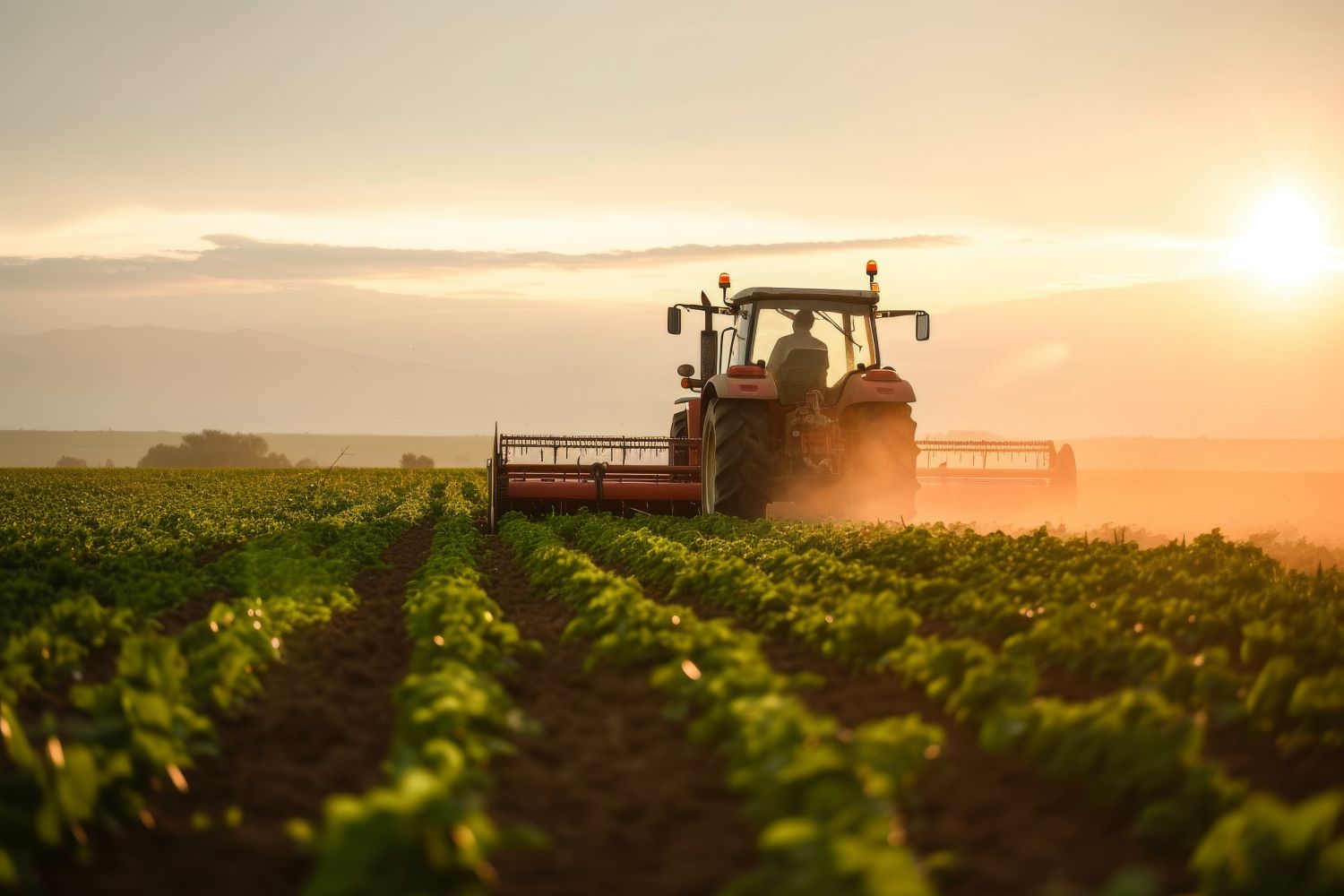
Agriculture and livestock have been a standout in Brazil’s economy in recent years—growing 11.7% in 2025 alone—and the sector’s share of the country’s Gross Domestic Product (GDP) has been steadily increasing. It rose from 6.7% of GDP in 2022 to 7.1% last year, according to the Brazilian Institute of Geography and Statistics (IBGE). Record harvests, consistent production of animal protein, fruits, and other products, along with the opening of 500 new markets over the past three years, have elevated Brazil to a prominent position in international trade.
In 2025, agribusiness exports reached US$169.2 billion, an unprecedented level for the country, even amid import tariffs imposed by the United States. “It is a remarkable volume that shows the sector’s resilience,” says José Roberto Colnaghi, chairman of the board of Colpar Brasil, a holding company operating in sectors such as agribusiness, industry, and urban development. Colnaghi adds: “this year, agribusiness faces new challenges due to uncertainties stemming from tensions in the Middle East.”
Brazil’s trade balance is already being affected by the conflict that began at the end of February between the United States, Israel, and Iran, with repercussions in neighboring countries to Iran—which has also begun controlling the flow of commercial ships through the strategic Strait of Hormuz. Around 20% of the world’s oil passes through this route, and global prices have shifted to a higher level since then.
Drop in exports
According to the Ministry of Development, Industry, Trade and Services (MDIC), exports to the Middle East—an important market for Brazil—fell by 26% in March. The total exported to the 15 countries in the region declined from US$1.2 billion in March 2025 to US$882 million this year. “The scenario is highly volatile. If tensions persist, the losses for Brazil will mount,” says José Roberto Colnaghi.
The Middle East, for example, absorbs 30% of Brazil’s chicken exports, a product in which Brazil is the global leader, making it particularly exposed. Despite efforts to maintain the flow of 200 containers per day to the affected region, shipment volumes fell by 18.5% in March compared to February, according to the Brazilian Animal Protein Association (ABPA).
Crops such as corn and sugar are also highly sensitive to geopolitical conflicts. As a key input for animal feed, corn depends on continuous transport flows, and logistical disruptions in the Gulf, along with higher maritime freight costs, could lead to excess supply in the second half of the year domestically. Sugar is also heavily exposed to the Middle East, as Brazil accounts for 51.5% of global exports of the product, with the affected region responsible for 17.1% of shipments abroad.
Imported fertilizers
Another crucial factor for agribusiness is fertilizers, as Brazil imports about 80% of what it uses. The Middle East accounts for roughly 40% of global maritime trade in urea—whose prices have risen by around 70%—and plays a significant role in the supply of ammonia and phosphate fertilizers. According to fertilizer company Yara Brasil, 34% of global urea production comes from the region. Rising prices are putting pressure on production costs for crops such as corn, soybeans, and sugarcane.
There is also the impact on oil prices, as the Middle East is home to major global producers. With the outbreak of the conflict and the closure of the Strait of Hormuz, Brent crude prices rose from around US$70 to approximately US$100 per barrel. For Brazilian agribusiness, this translates into higher diesel costs—essential for transporting inputs and distributing production—which have increased by more than 20%, as well as higher maritime freight costs. As a result, the entire logistics chain becomes more expensive, reducing export competitiveness.
“Even if hostilities cease immediately, oil prices would not quickly return to previous levels,” notes José Roberto Colnaghi. This is because much of the region’s production infrastructure has been destroyed or at least severely affected. The recovery of refineries, terminals, and pipelines requires investment and time—industry experts estimate that normalizing the supply chain could take up to a year.
Higher inflation
Ultimately, the result is higher global inflation and slower growth. The Organisation for Economic Co-operation and Development (OECD) estimates that global GDP will grow less this year (2.9%) than in 2025 (3.3%). For 2027, the OECD has lowered its global growth forecast from 3.1% to 3%.
In Brazil, economic consequences are already visible. The Central Bank was cautious in cutting interest rates at its March meeting, reducing the benchmark rate by only 0.25 percentage points. Inflation has also risen. In March, prices increased by 0.88% (compared to a forecast of 0.77%), and over the past twelve months inflation reached 4.14%, up from 3.81% in the previous twelve-month period.
“It is a concerning scenario because, with inflation under pressure, interest rates are likely to fall very slowly in Brazil. The current very high rate level discourages productive investment, raises the cost of credit, and negatively impacts households that are already in debt,” says José Roberto Colnaghi. “We face a delicate crossing ahead in this sea of uncertainties,” he concludes.
Silvania Dal Bosco
ECCO Escritório de Consultoria em Comunicação
+55 11 3888-1144
email us here
Legal Disclaimer:
EIN Presswire provides this news content “as is” without warranty of any kind. We do not accept any responsibility or liability
for the accuracy, content, images, videos, licenses, completeness, legality, or reliability of the information contained in this
article. If you have any complaints or copyright issues related to this article, kindly contact the author above.

Media gallery