Key Takeaways
- Warmer temperatures and increased moisture in spring create ideal conditions for pest activity, with many species emerging from winter dormancy to breed and seek food sources
- Six major spring pests threaten homes: ants, mosquitoes, cockroaches, rodents, wasps, and spiders, each posing unique risks and damage potential
- Prevention strategies including sealing entry points, eliminating water sources, and maintaining cleanliness can significantly reduce infestation risks
- Professional pest control becomes necessary when DIY methods fail to address the complex breeding cycles and hidden nesting areas of spring pests
Spring brings renewal and growth, but it also signals the return of unwanted houseguests. As temperatures climb and moisture increases, dormant pests awaken from their winter hiding places, ready to establish new colonies and search for food. Understanding which pests emerge during this season helps homeowners prepare effective defense strategies before infestations take hold.
Why Pests Emerge in Spring After Winter
Many homeowners mistakenly believe that cold winter temperatures kill off most pests. The reality is quite different. During winter, insects and rodents enter a survival phase called diapause, where their metabolisms slow dramatically and reproductive activity nearly stops. They seek shelter in wall voids, crawl spaces, attics, and other protected areas within homes.
When spring temperatures consistently exceed 50°F, these dormant pests resume normal activity levels. Rising temperatures accelerate their metabolisms, triggering increased appetite and reproduction cycles. The combination of warmer weather, abundant moisture from melting snow and spring rains, and emerging food sources creates perfect conditions for rapid population growth.
Mild winters particularly contribute to busier spring pest seasons. Fewer pests die during gentle cold spells, meaning larger populations survive to become active earlier in the season. This extended activity period allows multiple generations to develop before summer arrives, compounding infestation problems for unprepared homeowners.
Six Common Spring Pests Threatening Your Home
1. Ants and Carpenter Ants
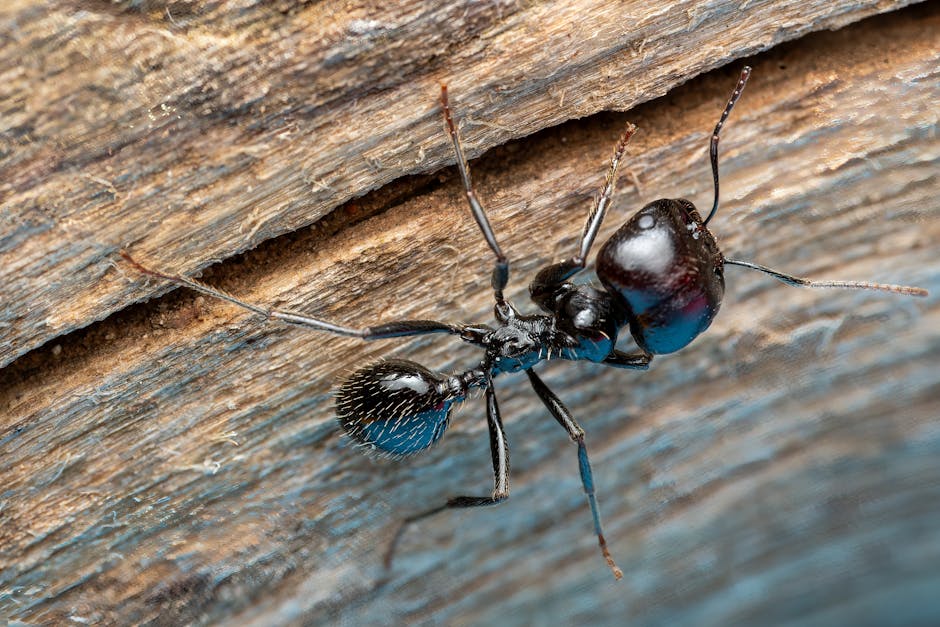
Ant colonies become highly active in spring as worker ants emerge to forage for food and water. These social insects follow scent trails, meaning a single ant discovering crumbs in the kitchen can lead hundreds of others to the same location. Regular house ants primarily seek sugary substances and protein sources, making pet food bowls and kitchen areas prime targets.
Carpenter ants pose a more serious structural threat. Unlike termites that eat wood, carpenter ants excavate galleries within wooden structures to build their nests. Spring marks their reproductive season, when winged queens emerge from established colonies to form new nests. The damage they cause to untreated wood in foundations, decks, and framing can be extensive and costly to repair.
2. Mosquitoes
Mosquito eggs laid the previous fall begin hatching as soon as spring temperatures consistently reach 50°F and standing water becomes available. These pests require as little as a quarter-inch of standing water to complete their breeding cycle, with eggs developing into adults in approximately one week under favorable conditions.
Female mosquitoes seek blood meals, often from humans, using the protein to support egg production. Beyond the annoyance of itchy bites, mosquitoes transmit serious diseases including West Nile virus, Zika virus, and various forms of encephalitis. Their rapid reproduction cycle means small puddles around homes can quickly generate large populations.
3. Cockroaches
While cockroaches remain active year-round, spring weather significantly accelerates their reproduction and activity levels. Rising temperatures and humidity boost their metabolism, leading to increased feeding and faster development from egg to adult. Cockroach eggs that survived winter dormancy begin hatching as conditions improve.
German cockroaches, the most common household species, can produce up to six generations per year under optimal spring and summer conditions. A single female can carry 30-40 eggs at a time, meaning small infestations quickly become overwhelming without proper control measures. These pests contaminate food surfaces and trigger allergies and asthma in sensitive individuals.
4. Rodents (Mice and Rats)
Spring marks the beginning of peak breeding season for mice and rats. After surviving winter in warm hiding places, these rodents emerge to establish new territories and begin reproductive cycles. House mice can produce 5-10 litters annually, with each litter containing 4-8 offspring that reach sexual maturity in just 20 days.
Rodents, such as roof rats, become more active in spring and may cause sounds in overhead areas as they establish new territories and seek food. Both mice and rats seek reliable food sources to support their energy-intensive breeding activities. They contaminate stored food, damage property through gnawing, and spread diseases including salmonella and E. coli through their droppings and urine.
5. Wasps and Paper Wasps
Queen wasps emerge from winter hibernation in early spring to begin building new colonies. Paper wasps create distinctive downward-facing comb nests under eaves, decks, and other protected areas. Initially, only the queen occupies these nests, but as temperatures warm, she begins laying eggs that develop into worker wasps.
By late spring and early summer, wasp colonies can contain hundreds of aggressive defenders. Unlike bees, wasps can sting multiple times and become increasingly territorial as their colonies grow. Early spring intervention proves most effective, as destroying small nests prevents the development of large, dangerous colonies.
6. Spiders
Spider activity increases in early spring as they emerge from winter hiding places to hunt for prey. Most spiders actually benefit homeowners by controlling other pest populations, but their presence often indicates underlying insect problems. Common house spiders, wolf spiders, and cellar spiders typically establish themselves in dark corners, basements, and storage areas.
While most household spiders pose minimal health risks, species like black widows and brown recluses can deliver dangerous bites. As spider activity increases in spring, homeowners may encounter them more frequently, especially when disturbing their hiding places during activities like cleaning. Reducing other pest populations helps control spider numbers naturally.
Health Risks from Spring Pest Infestations
Spring pest emergence creates multiple health concerns for household members. Rodents and cockroaches contaminate food preparation surfaces with dangerous bacteria including salmonella, E. coli, and various pathogens that cause food poisoning. Their droppings and shed skin particles trigger allergic reactions and asthma attacks in sensitive individuals.
Mosquitoes present the most significant disease transmission risk among spring pests. These insects actively seek human blood meals and can transmit West Nile virus, Zika virus, Eastern equine encephalitis, and other serious illnesses through their bites. Even common house mosquitoes can carry and spread these diseases within residential areas.
Stinging insects like wasps and certain ant species can cause severe allergic reactions in sensitive individuals. Multiple stings from defensive wasps protecting their nests may overwhelm the immune systems of even non-allergic people.
Prevention Strategies for Homeowners
1. Seal Entry Points
Home sealing creates the first line of defense against spring pest invasions. Inspect the exterior foundation, windows, doors, and utility penetrations for cracks and gaps that provide pest access. Apply high-quality caulk to seal openings around window frames, door frames, and where utilities enter the structure.
Install door sweeps on all exterior doors, paying special attention to garage doors that often have large gaps underneath. Replace damaged window screens and ensure they fit tightly within their frames. Even small openings can accommodate surprisingly large pests, so thorough sealing efforts pay significant dividends in pest prevention.
2. Eliminate Attractants
Removing pest attractants significantly reduces the likelihood of spring infestations. Eliminate standing water sources by cleaning gutters, fixing leaky outdoor faucets, and ensuring proper drainage around the foundation. Empty decorative containers, flowerpot saucers, and any other items that collect rainwater.
Store firewood at least 20 feet away from the house and elevate it off the ground to prevent insect and rodent harborage. Remove leaf piles, brush, and organic debris from around the foundation that provide shelter and breeding sites. Trim vegetation to prevent it from touching the house exterior, as branches create highways for pest access.
3. Maintain Cleanliness
Consistent sanitation practices eliminate food sources that attract spring pests. Store all food items in sealed containers, including pet food which often attracts ants and rodents. Clean kitchen surfaces daily and promptly address spills that leave residual attractants.
Regular vacuuming removes food particles and pest eggs from carpeted areas. Empty trash containers frequently and ensure they have tight-fitting lids. Spring cleaning activities should focus on areas where pests typically hide, including basements, attics, and storage rooms where clutter provides harborage opportunities.
When DIY Prevention Isn’t Enough
Despite diligent prevention efforts, some spring pest problems exceed homeowner capabilities. Established colonies of ants, large rodent populations, and active wasp nests require specialized knowledge and professional-grade treatments. DIY methods often address visible pests while missing hidden breeding areas and entry points.
Certain pest species present safety concerns that make professional intervention necessary. Attempting to remove wasp nests without proper equipment and experience can result in dangerous stings. Similarly, rodent infestations in wall voids require specialized baiting strategies and exclusion techniques that exceed typical homeowner expertise.
Time constraints also make professional services valuable for busy homeowners. Effective pest control requires consistent monitoring, treatment adjustments, and follow-up applications that many people cannot maintain alongside work and family responsibilities. Professional services provide systematic approaches that ensure complete coverage.
Professional Pest Control Prevents Costly Spring Infestations
Early spring represents the optimal time for professional pest intervention, before populations explode and damage accumulates. Professional technicians understand pest biology and behavior patterns, allowing them to target treatments when they prove most effective. Preventive applications stop problems before they become established, saving homeowners from costly damage and health risks.
Professional pest control services provide property assessments that identify vulnerable areas homeowners typically miss. Technicians recognize early warning signs of pest activity and can address multiple species simultaneously with targeted treatment strategies. Regular service visits ensure continuous protection as pest pressures change throughout the season.
The cost-effectiveness of professional services becomes apparent when compared to damage repair expenses. Carpenter ant damage to structural wood, rodent contamination requiring professional cleaning, and wasp nest removal emergency calls often exceed the annual cost of preventive pest control programs. Investment in professional services provides peace of mind and protects property values.
TNR Exterminators, Inc.
5013 Avenue N
Brooklyn
NY
11234
United States


