

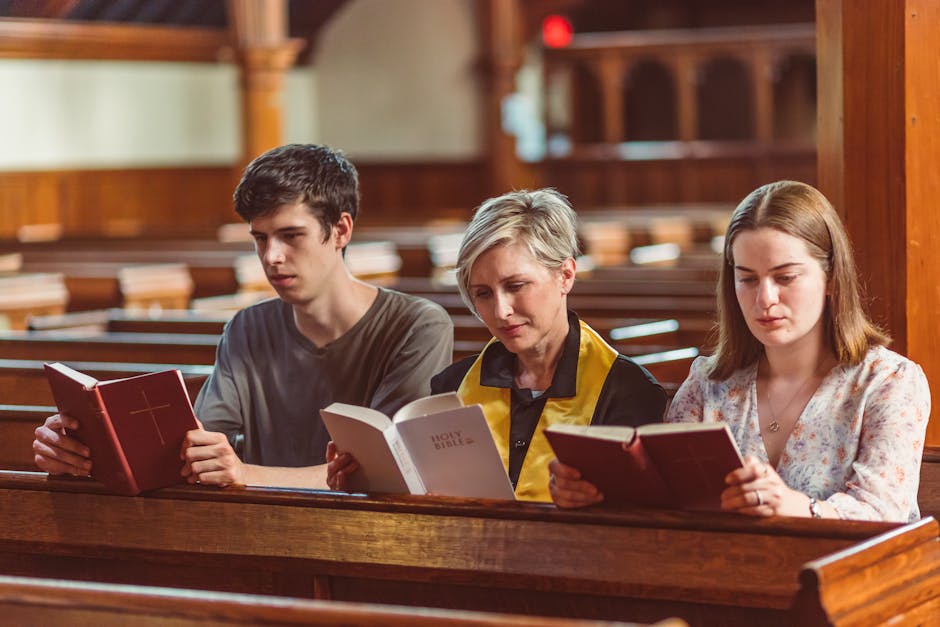
Maybe your pastor asked you to lead a group, or a few friends want to study the Bible together, and you’ve volunteered. Either way, you might be wondering where to start. What a small group needs most is a prepared, caring leader and a clear plan, and many groups find it easier to begin with Christian books paired with small group study guides.
Here’s how to lead Bible study in a small group, step by step.
Planning Your Study
Choose What You’ll Study
Start by deciding what your group will read. Some groups work through a single book of the Bible, such as Mark or Philippians. Others study a theme, like prayer or faith, or follow a Christian book with a study guide. A short series lasting several weeks is often easier to commit to than an open-ended one.
Set the Basics
Decide when and where you’ll meet, how long each session will last, and if you’ll gather in person, online, or both. Smaller groups tend to make discussion easier, since everyone has a chance to speak.
Prepare Each Week
Read the passage or chapter yourself before each meeting, and pray for your group as you prepare. Write down a handful of questions in advance. You don’t need many, because a few good questions can fill an entire session.
Guiding Discussion
Ask Three Kinds of Questions
Strong discussions usually move through three stages:
- Observation: What does the passage say?
- Interpretation: What does it mean, and how does it fit the surrounding verses?
- Application: How should it shape the way we live this week?
Open-ended questions work best. For example, “What do you notice about how Jesus responded to him?” invites more discussion than “Did Jesus heal the man?”
Keep Scripture at the Center
It’s easy for conversations to drift toward personal opinions. Gently bring the group back to the text by asking, “What does the passage actually say about that?”
Bible teacher Vince Baker’s study materials encourage groups to test what they read against Scripture and to separate the text itself from later interpretations. That habit helps groups stay grounded, especially when discussing complex topics like prophecy or revival.
Make Room for Everyone
Allow a few moments of silence after asking a question, since people often need time to think. Invite quieter members to share, but never pressure them. If one person tends to dominate, thank them warmly and ask, “What do others think?”
Handle Tough Questions Honestly
You won’t have every answer, and that’s fine. Say, “I’m not sure. Let’s look into it before next week.” Your honesty builds trust.
Follow Up
A quick message during the week can encourage members, remind them of the next meeting, and show that you care. If someone misses a session, a short note helps them feel welcome to return.
Leading Prayer
Open and Close With Prayer
Begin by asking God to guide your time together, and close by praying about what the group has learned.
Share Requests With Care
Invite prayer requests, but keep the time focused so it doesn’t take over the study. Remind everyone that personal requests shared in the group should stay in the group.
Pray for One Another
James encourages believers to “pray one for another” (James 5:16, KJV). Some groups pair members as prayer partners between meetings, which helps people stay connected through the week.
The Takeaway
Learning how to lead Bible study takes practice, and every group is a little different. Plan ahead, ask good questions, keep Scripture at the center, and pray for your group regularly. Over time, you’ll grow more comfortable, and your group will grow together. If you’d like to see how an experienced teacher guides a group, joining a live online Bible study can offer helpful ideas for your own sessions.
Vince Baker Ministries
1212 Bidwell St.
Folsom
CA
95630
United States